Driving After Weight Loss Surgery: What You Need to Know
Weight loss surgery is an increasingly popular method for losing weight. This type of surgery can be life-changing when diet and exercise aren’t enough. After undergoing this procedure, one of the main questions patients have is, “When will I be able to drive again?” If you wander around the same question, then don’t worry; we’ve got you covered.
This article will discuss everything you need to know about driving after weight loss surgery, so you don’t have any surprises!
What is weight loss surgery, and how does it work?
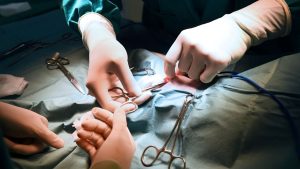
Weight loss surgery in Guadalajara is a surgical procedure that helps you lose weight. There are many approaches to weight loss surgery, but they work by limiting the amount of food you can eat or stopping the absorption of food from your stomach.
The most common type of weight loss surgery is called gastric banding. In this procedure, a surgeon puts an adjustable band around the upper part of your stomach during gastric banding. This band creates a small pouch on top of your stomach that can only hold a small amount of food.
How long before you can drive after weight loss surgery?
Weight loss surgery is a life-changing experience, and one of the first things that patients often want to do after their procedure is get behind the wheel. It can be difficult to predict since everyone heals at different rates. Hence, you should talk to your doctor and clarify your concerns.
Things to consider when driving after weight loss surgery
- Your ability to drive may be affected by surgery. Always check with your doctor before getting behind the wheel.
- You may feel lightheaded or dizzy after surgery. Therefore, it can make driving dangerous, so be cautious when using a vehicle.
- Fatigue is also common after surgery. So, it would help if you made sure you get plenty of rest before driving.
- It is also important to get enough sleep before driving after weight loss surgery. It gives your body the time to heal and adjust, making you more alert during the day.
- You must follow any instructions given by your doctor for safe driving at home and while on the road.
Remember that your body is not used to the new you yet, and give yourself time to adjust. It’s crucial to be patient with yourself while you work your way back to recovery. It will be best to consult with your doctor for pre-bariatric surgery tips.
When you’re cleared to drive again, here are some tips for safe driving:
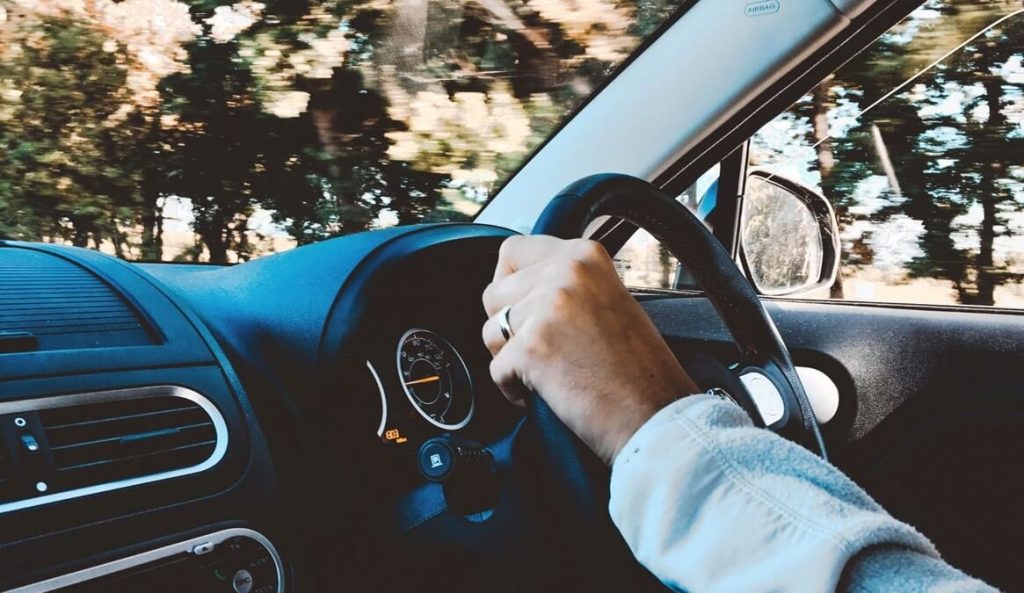
- Make sure your car is adjusted to fit you after weight loss surgery. The seat should be set to reach the steering wheel and pedals comfortably. Seat belts should also fit well without placing pressure on sensitive areas of your body or slipping off boney parts.
- Avoid driving at speeds that feel uncomfortable because it could signify that you’re pushing your body too hard.
- Take breaks often and move around to keep your blood flowing.
- Pay attention to how you feel after eating; avoid driving if you feel sick or have pain.
To Conclude
The tips mentioned above will help you to drive safely. Remember that driving can be a huge part of your independence after weight loss surgery. Make sure to learn the new rules and regulations for driving in your state before you get behind the wheel again. Once you’re back on the road, drive safely and responsibly!