
Compassionate In-Home Senior Care: A Trusted Path to Comfortable Aging
Explore quality senior care at home for aging loved ones. Discover personalized support options.
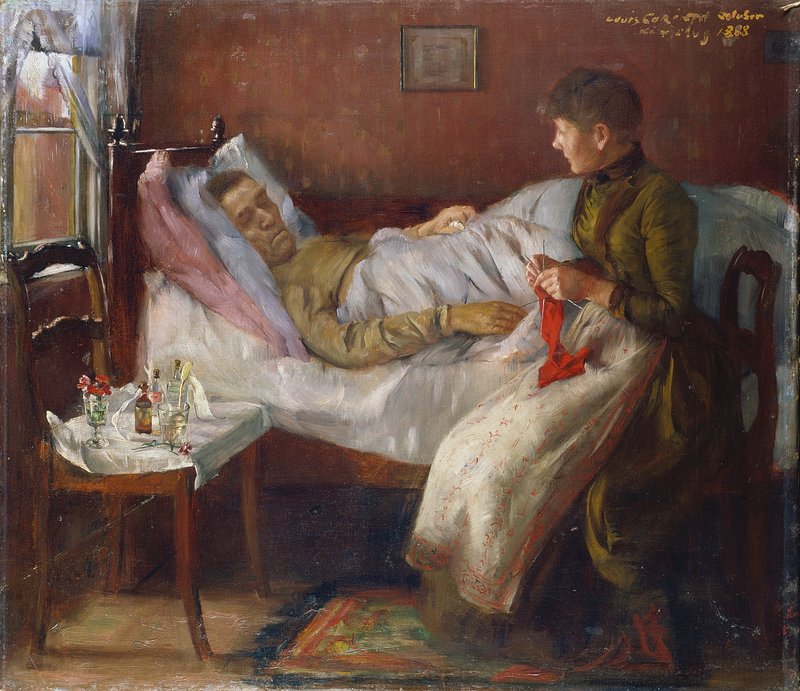
The Artist's Father in his Sickbed, 1888 by lovis corinth
Growing older should not mean giving up the comfort, familiarity, or independence of home. For many families, in home senior care offers a practical way to support an aging loved one while preserving familiar routines and personal dignity. Professional caregiving can address everyday challenges while also providing families with reassurance that their loved one has dependable support when it matters most.
Jump To
- What Does Quality Senior Care at Home Involve?
- Why Is Aging in Place Important to Many Seniors?
- How Can Families Recognize When Additional Support Is Needed?
- What Makes Personalized Care Valuable?
- Can Home Care Support Recovery After a Hospital Stay?
- Is Specialized Support Available for Memory-Related Needs?
- How Does Professional Care Benefit Family Members?
- What Should Families Look for in a Caregiving Service?
What Does Quality Senior Care at Home Involve?
Senior care at home can cover a broad range of needs. Some older adults require occasional companionship, while others need assistance with personal routines, mobility, meals, medication reminders, or household activities. A thoughtful care plan begins by understanding the individual rather than applying the same routine to every person.
Personalized support can also change over time. A senior recovering from an illness may initially need more hands-on assistance and gradually regain independence. Someone experiencing memory changes may require consistent routines and specialized supervision. Flexible care helps families respond to these changing circumstances without unnecessarily disrupting daily life.
Why Is Aging in Place Important to Many Seniors?
Home is more than a physical location. It often represents memories, independence, familiar surroundings, and connections with neighbors and family members. Remaining at home can help seniors maintain established routines and continue participating in activities that bring meaning to everyday life.
Professional home support can make this possible by addressing practical challenges before they become overwhelming. Assistance with bathing, dressing, mobility, meals, transportation, and companionship can help older adults remain engaged with their surroundings while receiving the support they need.
How Can Families Recognize When Additional Support Is Needed?
Changes in everyday behavior can sometimes indicate that additional assistance would be beneficial. Families may notice difficulty keeping up with personal hygiene, missed medications, increased forgetfulness, unsteady movement, reduced social activity, or challenges preparing meals.
A recent hospitalization, surgery, fall, or diagnosis involving a chronic condition may also create new care requirements. Recognizing these changes early can help families explore appropriate support before everyday responsibilities become more difficult.
What Makes Personalized Care Valuable?
Every senior has different preferences, abilities, routines, and priorities. Personalized caregiving respects these differences by creating support around the individual’s lifestyle. A suitable plan may focus primarily on companionship and wellness visits or provide more comprehensive assistance throughout the day.
Care plans can also be reviewed as circumstances change. This approach allows families to adjust services as independence, health needs, or household responsibilities evolve. Consistency is particularly valuable for seniors who benefit from familiar caregivers and predictable routines.
Can Home Care Support Recovery After a Hospital Stay?
Returning home after hospitalization can be challenging. Seniors may need help with mobility, meals, personal routines, transportation, and maintaining a safe environment while they regain strength.
Transition-focused home support can help bridge the gap between hospital or rehabilitation services and everyday life. Having dependable assistance during this period may reduce stress for both the recovering individual and family members coordinating care.
Is Specialized Support Available for Memory-Related Needs?
Memory-related conditions often require patience, consistency, and an understanding of changing abilities. Caregivers with appropriate training can support structured routines, companionship, personal care, and daily activities while helping create a calm environment.
For families navigating dementia or Alzheimer’s-related challenges, professional assistance can also provide meaningful relief from the responsibilities of continuous caregiving.
How Does Professional Care Benefit Family Members?
Family caregivers often balance employment, household responsibilities, appointments, and personal commitments while supporting an aging relative. Even when family members remain deeply involved, professional assistance can provide valuable relief.
Reliable caregiving allows relatives to spend more meaningful time with their loved one rather than focusing exclusively on demanding daily tasks. It can also provide reassurance when family members cannot be physically present throughout the day.
What Should Families Look for in a Caregiving Service?
Families should consider caregiver training, screening practices, communication, care-plan reviews, service flexibility, and experience with specific care needs. Clear communication is especially important because effective caregiving depends on understanding both the senior’s needs and the family’s expectations.
The right support should feel respectful, dependable, and individualized. When professional caregivers work collaboratively with families, seniors can receive assistance while continuing to enjoy the familiarity and dignity of home life.
What You Need to Know
- In-home senior care allows aging individuals to maintain their comfort, familiarity, and independence at home.
- Personalized support for seniors should consider individual needs and can evolve over time based on health changes.
- Many seniors prefer aging in place because it helps them continue established routines and engage in meaningful activities.
- Families can recognize the need for additional support by observing changes in personal hygiene, medication adherence, and social activities.
- Professional caregiving can relieve family caregivers, allowing them to spend more quality time with their loved ones.
- When seeking caregiving services, families should prioritize caregiver training, communication, and adaptability to specific care needs.