The Growing Importance of Whole-Person Healing in Today’s Healthcare
Explore the growing importance of whole-person healing in healthcare with insights from Dr Lynn Puana.
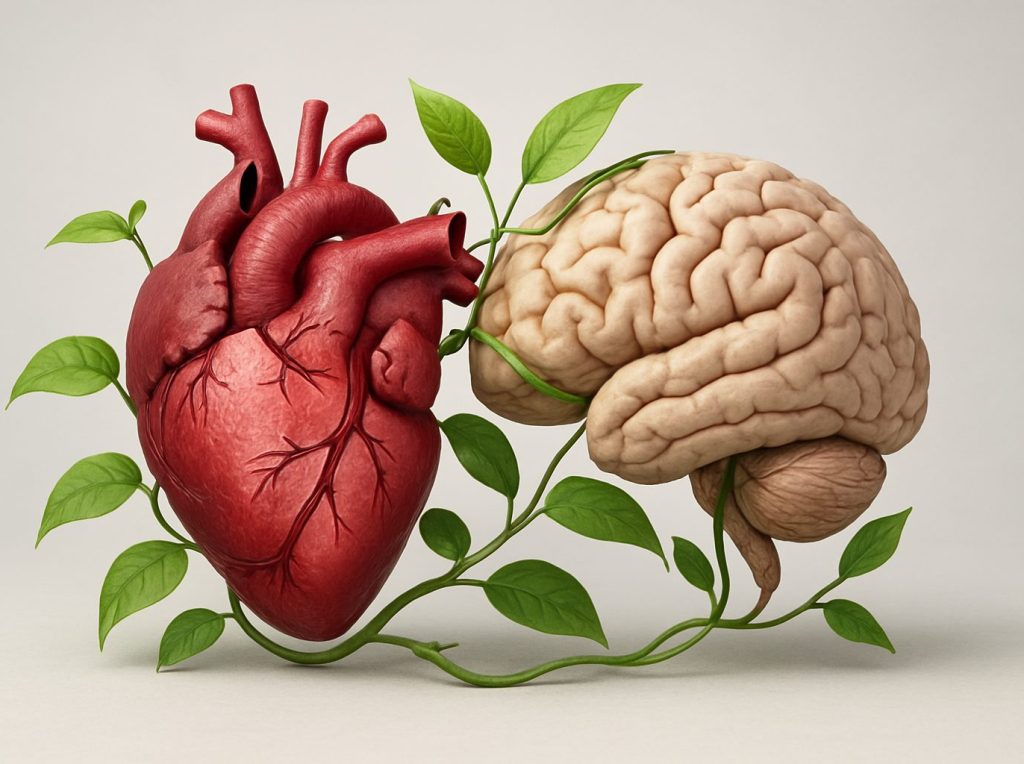
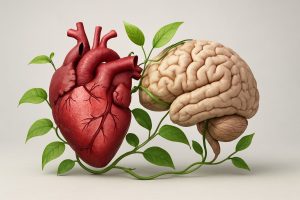
Healthcare professionals increasingly recognize that wellness extends beyond physical treatment. Emotional resilience, mental clarity, healthy relationships, and lifestyle choices all contribute to long-term health outcomes. This broader understanding supports integrated approaches where Dr Lynn Puana demonstrates the value of combining scientific knowledge with traditional wellness philosophies. Global healthcare statistics continue to show rising public interest in preventive care and comprehensive wellness programs that encourage healthier living across every stage of life.
Why is whole-person healing receiving greater attention? Modern health challenges frequently involve interconnected physical and emotional factors. Stress, poor nutrition, sedentary lifestyles, and inadequate sleep often influence overall health. Addressing these areas together creates opportunities for more balanced and sustainable wellness.
How does evidence-based wellness support recovery? Scientific research helps identify effective nutrition strategies, healthy exercise habits, behavioral changes, and stress management techniques. Applying research findings within holistic wellness programs encourages informed decisions while maintaining practical daily routines.
What benefits come from combining traditional knowledge with science? Traditional healing methods often emphasize prevention, balance, and personal awareness. Scientific evaluation helps determine which practices provide measurable benefits. Together, these perspectives encourage responsible wellness strategies that respect both historical wisdom and modern healthcare knowledge.
Dr Lynn Puana How important is patient participation? Successful wellness depends heavily on personal involvement. Individuals who actively participate in goal setting, healthy habit development, and ongoing education often experience greater satisfaction with their health journey. This collaborative approach encourages long-term commitment rather than temporary improvements.
What do current statistics suggest? Health surveys consistently report increasing participation in mindfulness activities, wellness coaching, nutritional education, and preventive health programs. Growing awareness of chronic disease prevention continues to encourage individuals to adopt healthier lifestyles before serious conditions develop.
Why is continuous learning essential? Wellness education helps people understand health risks, lifestyle influences, and preventive strategies. Better understanding often leads to improved decision-making, stronger motivation, and greater confidence when making positive lifestyle changes that support long-term health.
Integrated wellness continues to evolve through collaboration between healthcare research and traditional healing knowledge. By encouraging prevention, education, and personalized wellness planning, Dr Lynn Puana reflects an approach that supports balanced health from multiple perspectives. As more individuals seek comprehensive care, integrated healing remains an important component of sustainable physical, emotional, and mental well-being.